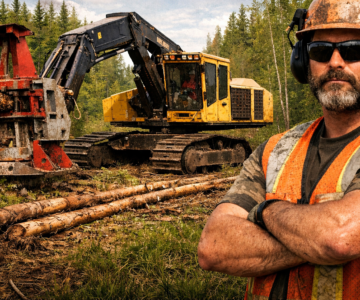
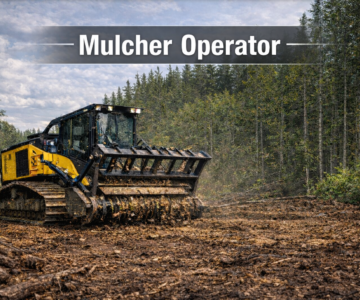
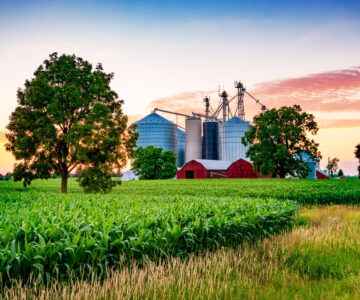
Timely forest clearing is an essential component of sustainable management of forestry and agricultural resources, especially in farming activities in Manitoba. This process can significantly impact ecological stability, economic benefit, and social resilience in the region. Responsibly conducted forest clearing in farming not only allows for the expansion of agricultural lands but also supports the health of forest ecosystems.
The Importance of Forest Clearing in Farming
Forest clearing in farming can facilitate forest regeneration, pest and disease control, and improve land availability for agricultural needs. On farming pastures in Manitoba, where lands often border or intermingle with forested areas, regular clearing can ensure open territories for livestock grazing and increase pasture productivity.
Timely forest clearing promotes the health of forest ecosystems, allowing young trees to receive more light and nutrients. It also prevents forest plots from becoming overly saturated, which can lead to massive pest reproduction and the spread of forest diseases. Forest clearing in farming also helps manage the risk of forest fires, which can be devastating both to forested and agricultural territories.
Forest clearing in farming in Manitoba can stimulate the local economy by creating jobs and providing timber for use in the furniture industry, construction, and other sectors. These activities can provide significant income for local communities, improving the overall economic situation.

However, forest clearing in farming requires careful planning and management to ensure that this process does not lead to excessive soil erosion, biodiversity reduction, or other negative consequences. For example, it is necessary to consider the seasonality of work to minimize soil disturbance and preserve the natural environment.
Legislative and Ecological Aspects
Manitoba has a number of laws regulating forest clearing, including “The Forest Act” and “The Wildlife Act”. These laws set clear rules regarding the volumes of clearing, harvesting methods, and restoration of forest territories. The legislation aims to ensure sustainable use of forest resources, protection of biodiversity, and minimization of negative impacts on ecosystems.
Certification to FSC or PEFC standards in Manitoba is an important tool for ensuring compliance with environmental and social norms in the forestry industry. Certified forests confirm that they are managed according to the principles of sustainable development, which includes protecting wildlife, responsibility to local communities, and preserving forest resources for future generations.

After clearing, there is a legislative requirement in Manitoba to conduct rehabilitation and restoration of forests. This includes measures for planting new trees and restoring the natural habitat. The purpose of these measures is not only to restore the cleared territories but also to support the integrity of forest ecosystems capable of supporting a diversity of species.
Manitoba laws also focus on the protection of biodiversity. Uncontrolled clearing can lead to the destruction of vital habitats, negatively impacting local flora and fauna species. Regulating clearing helps prevent such negative consequences and promotes the conservation of ecological balance.
Forest clearing impacts not only ecology but also local communities, especially indigenous peoples, for whom forests have significant cultural and spiritual value. Manitoba legislation requires that the rights and interests of these communities be considered in the clearing process, as well as ensuring their participation in decision-making that may affect their traditional territories.
Forest clearing promotes economic development in Manitoba, creating jobs and providing raw materials for the forest industry. However, to balance economic and ecological interests, it is important to ensure that such activities are conducted within the framework of sustainable development.
Contribution of Grant Kurian Trucking Ltd
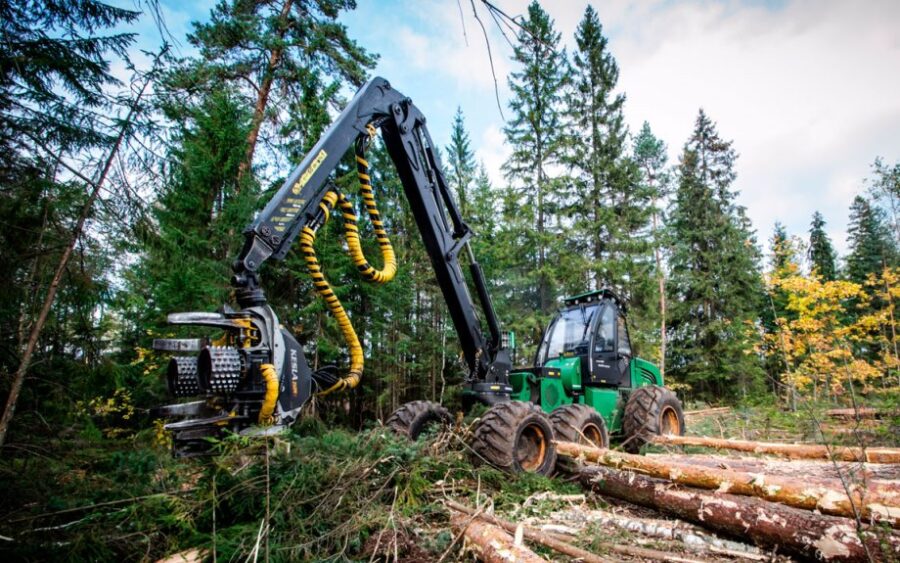
In this context, Grant Kurian Trucking Ltd offers a full range of forest clearing services, adhering to the highest standards of sustainability and efficiency. Our specialists ensure responsible forestry management, including planning, clearing, transportation, and timber processing. Contact us at 204-346-2537 for consultations and organization of forest clearing in your farming operations.