
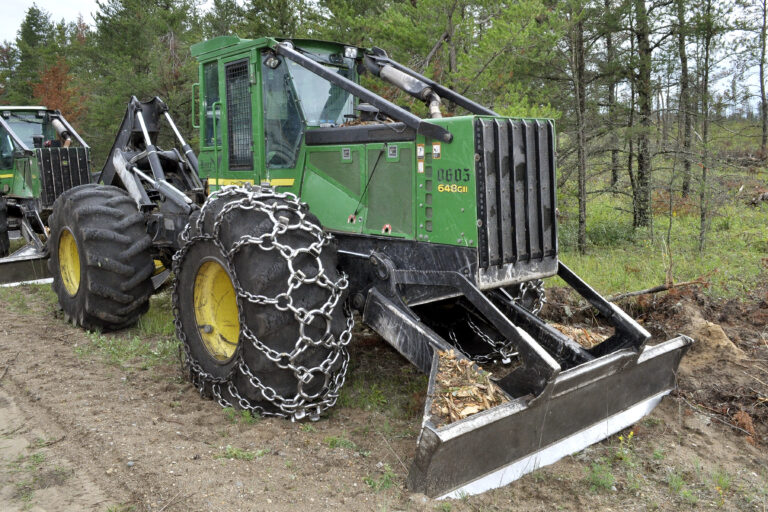
The Unsung Hero of Logging: Unveiling the World of Skidding
The next time you see a lumberyard stacked high with freshly cut timber, spare a thought for the unsung hero behind its arrival: the skidder. Skidding, the process of dragging or hauling harvested trees to a landing area, is a crucial yet often overlooked step in the logging industry.
The Powerhouse of the Forest
Skidders are specialized machines built to handle the demanding task of maneuvering massive logs through often challenging terrain. These workhorses come in various forms, but all share some key features:
Traction: Skidders boast powerful engines and wide, heavy-duty tires or tracks that provide exceptional traction, allowing them to navigate mud, slopes, and uneven ground with ease.
Grappling Arms: Modern skidders are equipped with powerful hydraulic arms that grapple and secure logs for transport. These arms can reach, lift, and maneuver even the most cumbersome logs with precision.
Winches: Many skidders also come equipped with winches that provide additional pulling power for particularly heavy loads or difficult terrain.
Types of Skidding Operations
There are two primary methods of skidding, each with its own advantages:
Choker Skidding: This traditional method utilizes steel cables (chokers) wrapped around the logs. The skidder then winches the logs in, dragging them across the forest floor. This method is efficient and cost-effective, but can damage the soil and remaining trees if not done carefully.
Grapple Skidding: This more modern approach uses the skidder’s hydraulic arms to pick up and transport logs directly. This method minimizes soil disturbance and protects remaining trees, making it a preferred option for sustainable forestry practices.
The Future of Skidding
The future of skidding is likely to see a continued focus on efficiency and sustainability. Advancements in areas like:
Machine Automation: Partially or fully autonomous skidders could improve safety and efficiency in the logging process.
Reduced Environmental Impact: Developments in lighter and more maneuverable skidders, or even cable-suspended systems, could further minimize damage to the forest floor.
Fuel Efficiency: As environmental concerns grow, the industry is likely to see a push for more fuel-efficient skidder designs.
Conclusion
Skidding forms the vital link between the felling of trees and their eventual processing into lumber. These powerful machines operate under demanding conditions, playing a critical role in the logging industry. As technology continues to evolve, skidding is poised to become even more efficient and sustainable, ensuring a smooth flow of timber while minimizing environmental impact.