
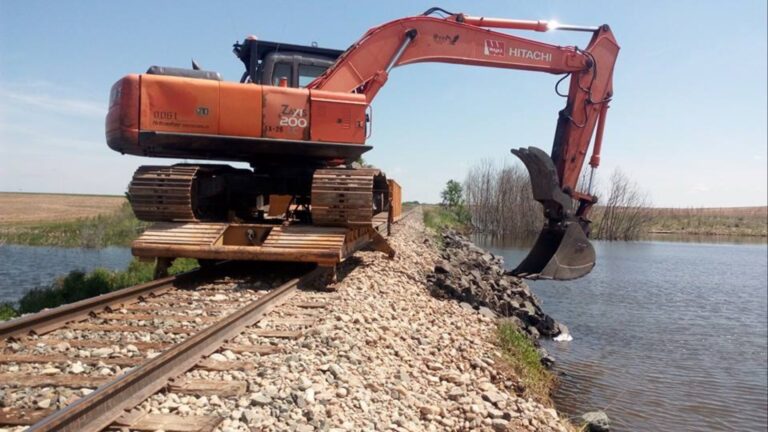
Flood Control in the Logging Industry: Strategies and Practices in Manitoba
Introduction
In Manitoba, where vast forests cover significant portions of the province, the logging industry plays a pivotal role in the local economy. However, this industry also faces numerous environmental challenges, notably the management of flood risks. Effective flood control is crucial not only for protecting the natural environment and local communities but also for ensuring the sustainability and operational stability of logging activities. This article explores the importance of flood control in the logging industry, focusing on strategies and best practices being implemented in Manitoba.
The Impact of Logging on Flood Dynamics
Forestry practices can significantly influence hydrological systems within a watershed. The removal of vegetation through logging activities reduces the land’s ability to absorb rainfall, potentially leading to increased surface runoff and elevated flood risks. Furthermore, the construction of roads and other infrastructure associated with logging can disrupt natural water flow, exacerbating flood conditions.
In Manitoba, where diverse river systems are abundant, and seasonal floods are a common occurrence, the integration of flood control measures into logging operations is essential. These measures not only mitigate the impact of logging on flood risks but also help in maintaining water quality and protecting aquatic and terrestrial habitats.
Strategies for Flood Control in the Logging Industry
1. **Watershed Management and Planning**
– **Integrated Watershed Management**: This involves managing the forest, water, and related resources of a watershed in an integrated manner. In Manitoba, logging companies are encouraged to develop comprehensive watershed management plans that consider the cumulative effects of their activities on water flow and quality.
– **Buffer Zones**: Establishing and maintaining buffer zones along rivers, lakes, and wetlands can significantly reduce the impact of logging on flood dynamics. These zones, left undisturbed, act as natural barriers that absorb water, reducing runoff and erosion.
2. **Best Management Practices (BMPs)**
– **Road Construction and Maintenance**: Properly designing and maintaining forest roads are critical in controlling flood-related impacts. Techniques such as installing culverts and bridges over streams, and avoiding road construction in riparian areas, can significantly reduce disruptions to natural water flow.
– **Selective Logging**: Instead of clear-cutting, selective logging can be used to minimize the disturbance to the soil and vegetation cover. This method involves selectively removing trees to reduce the impact on the ecosystem and maintain the natural absorption capacity of the forest floor.
3. **Reforestation and Afforestation**
– **Post-Logging Reforestation**: Replanting trees after logging operations is essential to restore the ecological balance and enhance the land’s water-absorbing capacity. In Manitoba, reforestation guidelines ensure that logging is followed by adequate planting of native tree species.
– **Afforestation**: Planting trees in areas where they were not originally present can help in increasing the land’s water retention capacity, thereby reducing flood risks.
4. **Use of Technology and Data Analysis**
– **Hydrological Modelling**: Advanced hydrological models can predict the impacts of logging on flood risks. These models help in planning logging activities that align with flood management objectives.
– **GIS and Remote Sensing**: Geographic Information Systems (GIS) and remote sensing technologies are used to monitor changes in land cover and water flow dynamics. This data is crucial for making informed decisions regarding forest management and flood control.
Case Studies and Success Stories in Manitoba
Several initiatives in Manitoba exemplify successful integration of flood control measures into logging operations:
– **The Duck Mountain Provincial Forest Initiative**: This project focuses on maintaining extensive buffer zones and implementing selective logging practices to protect the watershed’s health and reduce flood risks.
– **The Assiniboine River Basin Initiative**: A collaborative effort aimed at using hydrological data and watershed management to guide logging and land use practices, thereby mitigating flood impacts in the basin.
Challenges and Future Directions
Despite these efforts, challenges remain, particularly in balancing economic goals with environmental sustainability. Climate change poses additional risks, as changing precipitation patterns and more frequent extreme weather events could increase flood risks. Moving forward, Manitoba’s logging industry must continue to adapt and innovate by adopting more sophisticated technologies and embracing collaborative approaches to watershed management.
Conclusion
Effective flood control is essential for sustainable forestry practices, particularly in regions like Manitoba, where water resources are abundant and forest ecosystems are intertwined with community livelihoods and biodiversity. By continuing to develop and implement comprehensive flood control strategies, the logging industry in Manitoba can mitigate its environmental impact, contribute to the regional economy, and uphold its commitment to conservation and sustainable resource management.