
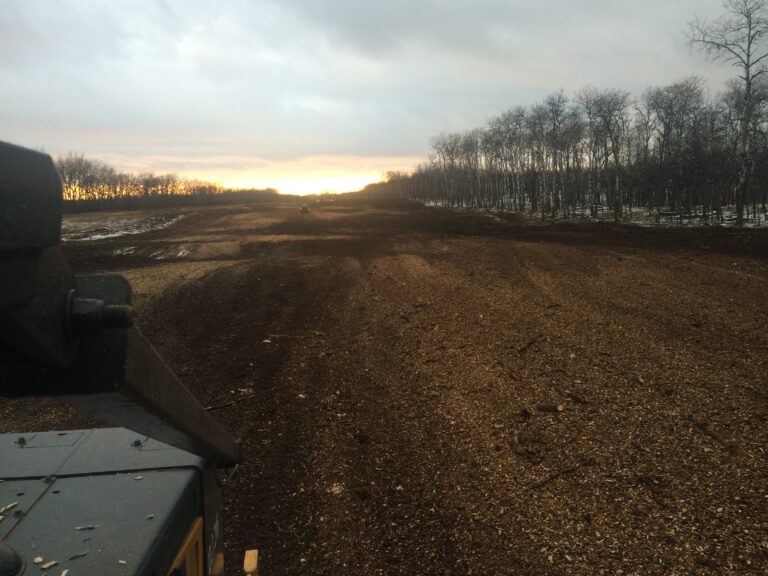
From Forest to Field: The Measured Approach to Forest Removal for Agriculture
Forests are vital for our planet’s health, but they can also be obstacles for farmers seeking to expand their agricultural operations. Forest removal, when done responsibly and with a long-term view, can provide significant benefits for both farmers and the environment. Let’s explore the reasons why controlled forest clearing might be necessary and how it can be achieved sustainably.
Why Clear Forests for Farming?
There are several reasons why a farmer might choose to remove a portion of their forested land:
Increased Arable Land: Forests can limit the amount of land available for growing crops or raising livestock. Clearing a section can create much-needed space for food production, especially in areas with limited arable land.
Improved Soil Quality: Virgin forest soil can be nutrient-rich, offering a fertile base for agriculture once cleared. This can be particularly beneficial in areas with depleted or degraded farmland.
Economic Opportunities: Increased land availability allows farmers to expand production, potentially leading to higher yields and income. This can be crucial for rural communities that depend on agriculture for their livelihood.
Balancing Benefits with Sustainability
While forest removal can offer advantages, it’s crucial to approach it with caution. Here’s how to ensure responsible clearing:
Selective Clearing: Instead of clear-cutting entire forests, removing only mature trees or specific sections is a more sustainable approach. This minimizes disruption to the ecosystem and preserves biodiversity.
Reforestation Efforts: Planting new trees in designated areas can offset the loss of existing forests. This ensures long-term sustainability and helps maintain healthy ecosystems.
Soil Conservation Practices: Once cleared, implementing practices like cover cropping and crop rotation helps maintain soil health and fertility, preventing erosion and degradation.
The Importance of Planning
Before embarking on any forest removal project, farmers should consult with forestry professionals and local authorities. Developing a comprehensive plan that outlines the reasons for clearing, the specific area to be addressed, and the mitigation strategies is essential. This plan should also consider factors like wildlife habitat preservation and water resource management.
Conclusion
Forest removal for agriculture can be a necessary step for some farmers, but it must be done responsibly. By adopting a balanced approach that prioritizes sustainability and integrates responsible land management practices, farmers can reap the benefits of increased agricultural land while minimizing environmental impact. Ultimately, striking this balance is crucial for ensuring long-term food security and a healthy planet.