
The Role of Mulching in the Logging Industry:
Enhancing Land Management and Recovery
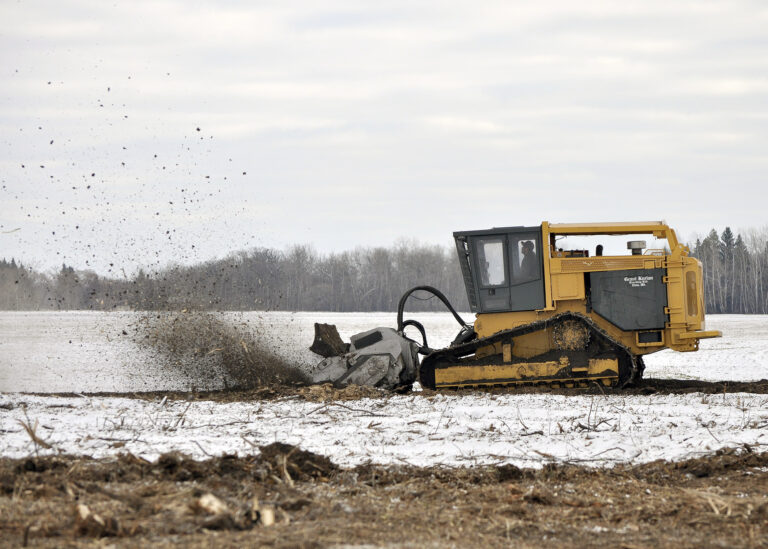
In the logging industry, mulching is a critical process that plays a significant role in land management and environmental stewardship. Unlike its use in landscaping, in the context of forestry, mulching involves the shredding of stumps, branches, and leftover biomass after timber harvesting. This technique is increasingly recognized for its ecological and operational benefits, particularly in promoting quicker land recovery and reducing environmental impact.
When trees are harvested, the leftover debris, including stumps and branches, can significantly hinder land recovery and future land use. Traditional methods of debris management often involve burning or removal to landfills, which are both costly and environmentally damaging. Mulching offers a sustainable alternative by converting this waste into a resource that contributes to soil health and forest regeneration.
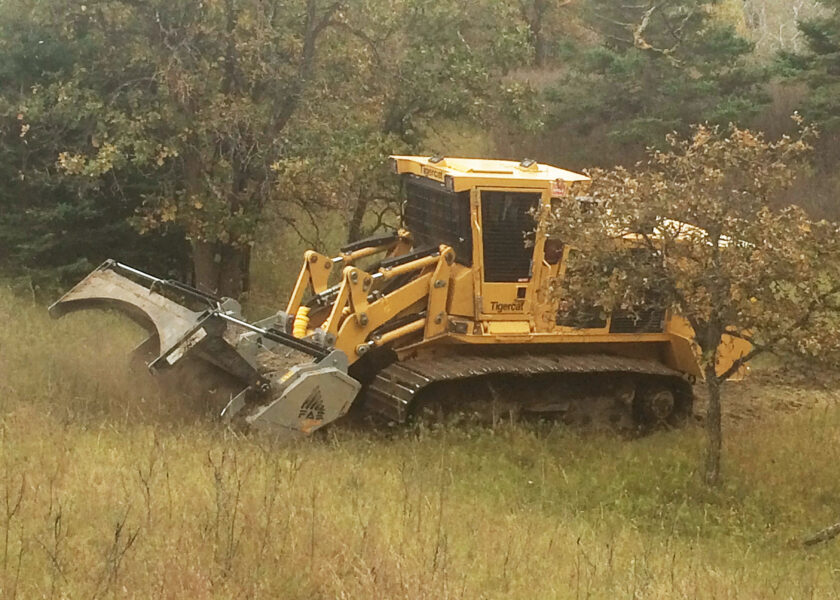
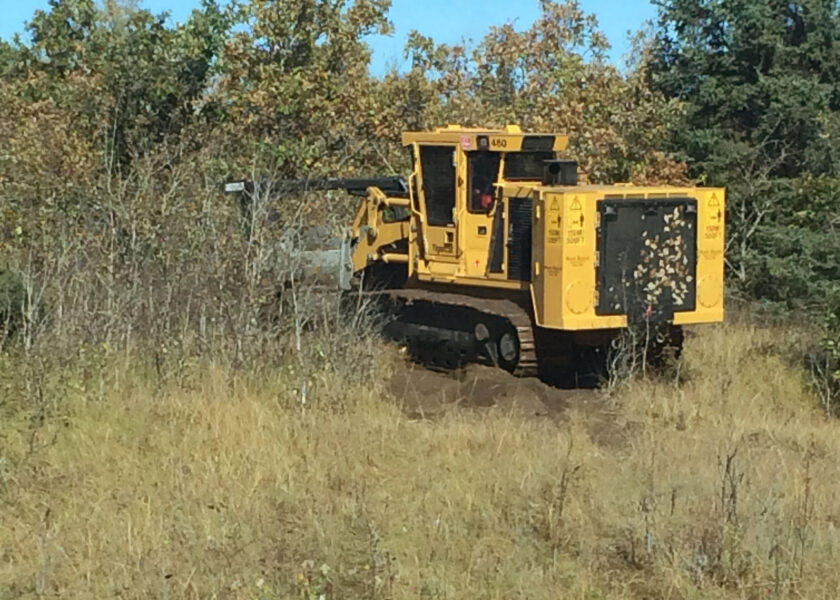
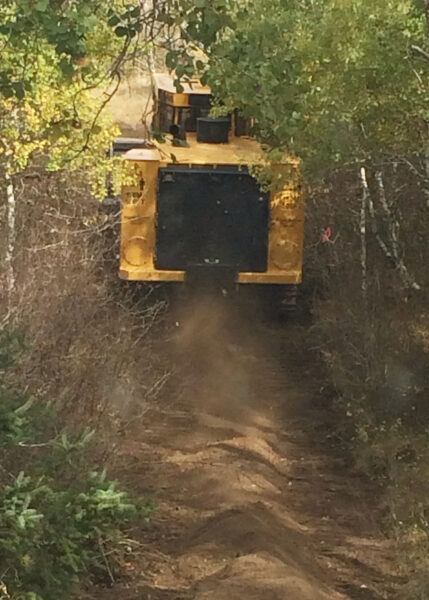
Using specialized equipment, forestry operators grind up the wood debris on-site. The resulting mulch is then spread over the harvested area. This layer of organic material decomposes over time, enriching the soil with nutrients and improving its structure. Improved soil fertility enhances the growth of new vegetation, which is crucial for the restoration of the ecosystem and helps in stabilizing the soil, thereby reducing erosion risks.
Moreover, mulching helps in maintaining moisture levels in the soil. This moisture retention is particularly beneficial in drier regions, as it supports the growth of plant life necessary for a healthy forest ecosystem. The mulch also acts as a barrier against weeds, reducing the need for chemical herbicides, which can be harmful to the environment.
Implementing mulching as part of the post-harvest process also has economic advantages. It reduces the need for expensive debris removal operations and minimizes the environmental footprint of logging activities. By turning waste into a valuable asset for land rehabilitation, mulching not only supports sustainable forestry practices but also ensures that the land is quickly and effectively restored for future use.
Conclusion:
Mulching in the logging industry represents a powerful tool for sustainable management. It facilitates efficient debris disposal, enhances soil health, supports ecosystem recovery, and aligns with the principles of responsible forestry management.
The Power of Mulching
- Moisture Retention: Mulch acts like a blanket, reducing soil evaporation and keeping plants hydrated, especially during hot summers.
- Weed Suppression: A thick layer of mulch discourages weeds by blocking sunlight from reaching the soil.
- Temperature Regulation: Mulch helps maintain consistent soil temperatures, protecting plants from extreme heat and cold fluctuations.
- Soil Enrichment: As organic mulches decompose, they add nutrients to the soil, improving its fertility over time.
- Erosion Control: Mulch helps prevent soil erosion from wind and water runoff, especially on slopes.